Pie Cafe Colorado Springs: Where Every Slice Feels Like Home
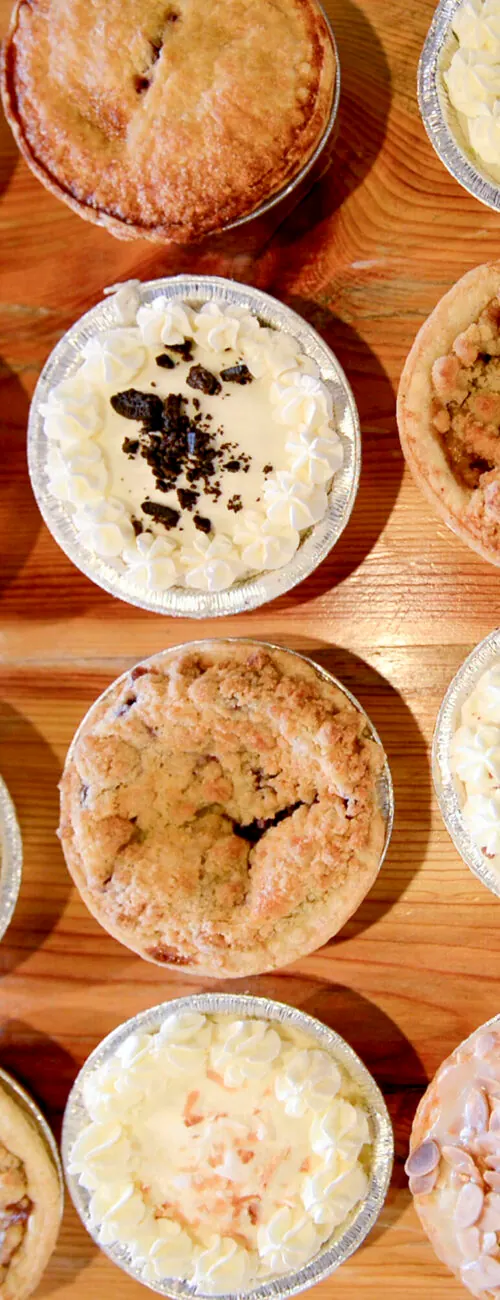
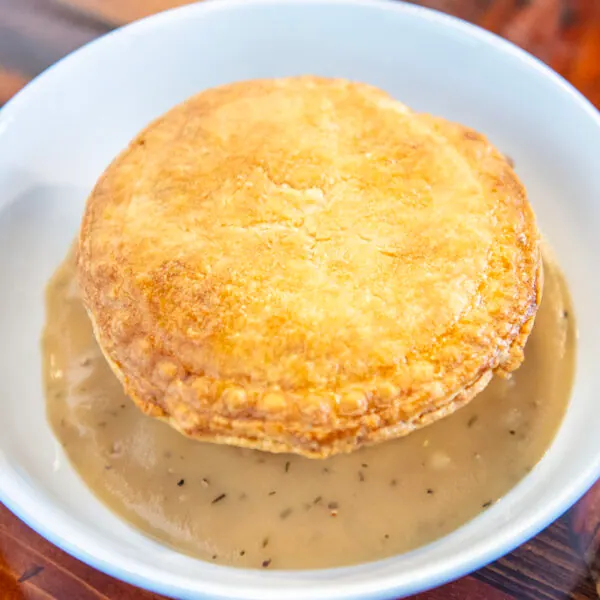
Some restaurants win people over with spectacle. Others do it with precision, trend, or novelty. A good pie cafe works differently. It draws people in with familiarity, then keeps them there with skill. That is the real charm behind the idea of a pie cafe colorado springs locals would return to without needing a special occasion. The pull is not complicated. It is the smell of butter in a warm crust, the quiet confidence of a well-made filling, and the feeling that someone in the kitchen understands that comfort food still deserves care.
Colorado Springs is a city with range. It has military families, long-time locals, hikers fresh off the trail, tourists chasing mountain views, and professionals trying to squeeze in one good meal between meetings. In a place with that much movement, a pie cafe can serve a rare role. It can feel steady. It can feel personal. It can be the kind of room where breakfast lingers, lunch settles in, and dessert becomes a reason to stay another half hour.
What makes that experience memorable is not just the pie itself, though the pie has to be right. It is the complete equation. Crust texture matters. Filling balance matters. Coffee matters. Lighting matters. Service matters even more than many operators realize. In this kind of setting, guests notice small things. They notice whether the fruit tastes bright or sugary. They notice whether savory pies arrive hot all the way through. They notice whether the space invites conversation or rushes it. A pie cafe that gets these details right creates a sense of ease that chain restaurants spend fortunes trying to imitate.
Why pie still matters in a city full of options
Colorado Springs has no shortage of places to eat. That is exactly why a pie-focused cafe stands out when it is done well. Pie is specific. It demands technique that cannot be faked with garnish or branding. You can dress up a mediocre sandwich with a clever name. You cannot hide a bad crust. If the dough is tough, greasy, underbaked, or bland, people know it the second their fork hits the plate.
That honesty is part of the appeal. In a strong pie program, every slice carries evidence of real labor. Someone cut cold butter into flour with restraint. Someone let dough rest instead of forcing it. Someone understood that apples release moisture, that berries can turn runny, that cream fillings need structure, and that a savory pie must hold together without becoming dense. Pie sounds simple because it is familiar. In practice, it is exacting.
That makes pie cafes especially compelling in a city like Colorado Springs, where diners often appreciate food that feels grounded rather than performative. After a windy afternoon near Garden of the Gods, or a long workday downtown, many people do not want a meal that tries too hard. They want something that tastes cared for. A good chicken pot pie with a proper top crust can do more emotional work than a complicated tasting menu. A warm slice of peach pie can reset the tone of an entire day.
I have seen this in all kinds of dining rooms over the years. Guests sit down looking distracted, tired, rushed. Then the plates arrive, and shoulders drop. Conversation slows. The first bite gets quiet. That is not nostalgia alone. It is the physical relief of food that is generous, balanced, and satisfying in a very old-fashioned way. Pie, at its best, delivers completeness. You are not left chasing missing flavors or wishing the kitchen had shown more restraint. A good slice feels finished.
The difference between a decent pie and a memorable one
People often talk about fillings first, but crust is where quality reveals itself. In a well-run pie cafe, the crust should not function as edible packaging. It should contribute flavor, texture, and structure. That means tenderness without fragility, browning without bitterness, and enough salt to keep sweetness from flattening out the whole slice.
Fruit pies need a particularly careful hand. The challenge is not making them sweet. Sugar is easy. The challenge is preserving the fruit’s own character. Apples should taste like apples, not cinnamon syrup. Cherries should stay tart enough to cut through butter and sugar. Blueberry filling should hold together on the plate without taking on the consistency of jam from a jar. If the fruit tastes cooked past recognition, the pie has missed the point.
Cream pies demand another kind of discipline. Banana cream, coconut cream, chocolate silk, and similar styles can slide into heaviness fast. The best versions feel lush but still clean on the palate. They should hold shape when sliced, yet remain delicate when eaten. Toppings matter here more than people think. Fresh whipped cream, lightly sweetened, makes a different impression from a commercial topping that sits stiff and glossy for hours.
Savory pies may be even less forgiving. A pot pie or hand pie has to eat like a meal, not just a novelty. The filling needs enough moisture to feel comforting, but not so much that it floods the plate and destroys the crust. Vegetables should retain identity. Meat should be tender and seasoned all the way through. Gravy should taste like stock and aromatics, not flour pasted into cream. When those elements line up, savory pie becomes one of the most satisfying lunch options a cafe can offer.
A room that invites people to stay
Food may draw people through the door, but atmosphere determines whether a place becomes part of someone’s routine. The strongest pie cafes understand that comfort is built in layers. Seating should not be so cramped that every conversation becomes public. Lighting should flatter food and faces alike. Background music should support the room, not compete with it. Counter service can work beautifully if it stays warm and efficient, and full table service can elevate the experience if it remains relaxed rather than formal.
Colorado Springs has a practical streak, and diners there often appreciate spaces that feel welcoming without fuss. That does not mean generic. In fact, cafes that lean too hard on staged coziness can feel strangely cold. The spaces that read as authentic usually have a little wear in the right places, a little life in the dining room, and a rhythm that suggests regulars have shaped the place over time.
You can tell when a cafe has earned that kind of loyalty. Staff greet returning guests by face or by order. Solo diners feel comfortable with a book and a coffee. Families are not treated like a problem to be managed. Older guests can hear each other speak. The room accommodates a quick slice at the counter and a longer lunch with a friend. That flexibility matters. Homey places are rarely built around one type of customer.
A pie cafe colorado springs visitors remember is often one that captures this balance. It serves tourists well, but it does not perform for them. It feels local because it is built for local life first.
The menu choices that make sense
A focused menu usually serves a pie cafe better than an oversized one. When kitchens try to cover breakfast, burgers, pasta, salads, pastries, desserts, and a dozen rotating specials, pie often turns into a side attraction. The quality slips. Prep gets stretched too thin. The cafe loses its center.
The smartest approach is a menu that respects what pie can do across the day. Morning offerings might lean toward quiche, breakfast hand pies, scones, muffins, and strong coffee. Lunch can move into savory pies, soup-and-slice pairings, fresh salads that cut the richness, and a few dependable sandwiches for guests who came with pie-skeptical companions. Dessert should show both range and restraint. People like options, but they also like the feeling that every pie in the case is there for a reason.
A sensible lineup often works best when it includes:
- one or two fruit pies that change with the season
- one cream pie for guests who want something softer and richer
- one signature savory pie that regulars can count on
- a simple beverage program with competent coffee and tea
- a few non-pie items that support the menu without distracting from it
That kind of structure gives a cafe room to stay consistent. It also helps with inventory and waste, which matters more in a pie operation than outsiders sometimes realize. Fruit turns quickly. Cream requires careful handling. Dough takes labor and refrigeration space. A disciplined menu is not boring. It is often the reason the best items remain excellent.
Seasonality is not a gimmick when pie is the product
Few foods reward seasonality as clearly as pie. Fruit quality shows up immediately in the finished slice. Strawberries out of season can taste watery and flat, no matter how much sugar hits them. Summer peaches, by contrast, often need very little help beyond acid, spice, and a crust that can support their juices. Fall apples bring complexity and structure. Winter citrus can brighten an entire dessert case when richer holiday flavors start to feel heavy.
In Colorado, seasonality carries its own local rhythm. Weather shifts fast. Appetite shifts with it. A cold snap can send people looking for pot pie, coffee, and something cinnamon-forward. A bright afternoon in late spring can make lemon meringue or mixed berry feel exactly right. A cafe that pays attention to these changes feels more alive than one that serves the same static selection month after month.
That does not mean every menu needs dramatic overhauls. Some guests return because they want the exact slice they loved six weeks ago. The art is in balancing dependable favorites with enough seasonal movement to keep the case interesting. Operators who understand this do not chase novelty for its own sake. They rotate with purpose.
Coffee, tea, and the supporting cast
Pie and coffee belong together for practical reasons, not just cultural ones. Pie is rich. Even fruit pies carry butter, sugar, and starch. A clean, hot cup of coffee cuts through that richness and sharpens flavor perception. The pairing works so well that weak coffee can drag down an otherwise excellent dessert service.
A pie cafe does not need to become a specialty coffee shrine to do this well. It does need freshness, proper holding times, and staff who care enough not to serve a pot that tastes tired. The same applies to tea. A solid black tea, an herbal option, and a green tea handled at the correct temperature can broaden appeal without complicating service. For guests who want something cold, house lemonade or iced tea often fits the tone better than an overbuilt drink menu.
The side offerings matter too. Soup can make savory pie feel like a complete lunch. A sharp green salad can rescue the palate after a rich cream slice. Ice cream, when chosen thoughtfully, still has a place beside warm fruit pie. Vanilla remains popular for a reason. It supports instead of shouting.
Small choices create trust. If a cafe uses good butter, ripe fruit, https://charlieqkvf466.image-perth.org/pie-cafe-colorado-springs-a-sweet-stop-for-travelers-and-locals and real whipped cream, guests notice. They may not describe those details with technical language, but they feel the difference immediately.
What hospitality looks like in a pie cafe
There is a style of service that suits pie cafes especially well. It is attentive without becoming theatrical. Guests should feel welcomed, not managed. Counter staff need enough product knowledge to answer simple questions clearly. Is the berry pie tart or sweet? Does the pot pie contain mushrooms? Which slices hold up best for takeout? Is the crust made with butter, shortening, or a mix? These are ordinary questions in this category, and the answers affect what people order.
Good hospitality also means reading the room. Someone stopping in alone on a weekday afternoon may want quick service and a quiet corner. A family with children may need patience, flexibility, and honest guidance on portion sizes. Older guests may appreciate staff carrying plates rather than calling names over a crowded room. Visitors from out of town may want recommendations without a rehearsed speech. None of this is flashy. All of it matters.
One of the easiest mistakes cafes make is treating dessert buyers like secondary customers. They are not. The person walking in for one slice and coffee may spend less than a lunch table, but that same guest can become a three-times-a-week regular if the experience feels easy and personal. Pie businesses often grow through repeat habit, not just big tickets.
Takeout, whole pies, and the realities of modern demand
A pie cafe today has to work both as a place to linger and as a place to grab something on the way home. That dual role changes how the product is made and sold. Not every pie travels equally well. Custard and meringue can be delicate. Crumb toppings may soften in humid conditions. Ice cream pairings obviously do not hold for long. Savory pies usually travel better, particularly if packaging protects the crust from steam buildup.
Whole-pie orders present their own challenges. Guests often assume a pie can be produced quickly because it looks familiar. In reality, good pies take planning. Dough needs resting time. Fillings may need cooling. Some styles cut best only after several hours of setting. Holiday periods intensify this pressure. Smart cafes communicate lead times clearly and limit custom work when necessary rather than overpromise and compromise quality.
For customers, a few habits make the experience much smoother:
- order whole pies early during busy seasons
- ask which slices travel best if you are taking dessert home
- reheat savory pies in an oven rather than a microwave when possible
- expect limited seasonal items to sell out
- if you love a special, buy it when you see it
None of this is fussy. It is just the nature of handmade food. Scarcity, when honest, often signals care rather than poor planning.
Why the best pie cafes feel personal
Plenty of restaurants claim to feel like home. Very few actually do. Home is not a decor scheme. It is a sensation of being fed thoughtfully, without pretense, by people who understand what comfort requires. In a true pie cafe, that feeling often comes from consistency more than drama. The coffee is hot. The slice is generous. The crust is right. The server gives you a minute when you need one and advice when you ask for it. The room allows you to exhale.
That kind of comfort has surprising staying power. People remember the places where they celebrated small things, where they recovered from hard weeks, where they took parents visiting from out of town, where they bought a whole pie before a holiday dinner and quietly hoped there would be leftovers. Restaurants become woven into local life through repetition like that. A pie cafe, perhaps more than most, has the ingredients to do it.
For Colorado Springs, that makes sense. This is a city where outdoor beauty and daily routine coexist. Grand landscapes sit beside errands, school pickups, office commutes, and ordinary Tuesday lunches. The businesses that endure there tend to understand both sides of that equation. They offer something dependable and human. They serve people where they actually live.
A well-loved pie cafe colorado springs diners trust is not only selling dessert. It is offering pause, warmth, and a type of hospitality that still carries weight because it is increasingly rare. Every slice does not need to be revolutionary. It just needs to be made with enough care that people feel the difference.
And when that happens, the effect is larger than the plate. Guests come in hungry and leave steadier. They return with friends. They bring family next time. They remember the place when they need a whole pie for a birthday, a quiet lunch after a long week, or a familiar corner on a cold afternoon. That is how a cafe earns the word home. Not through slogans, but through repetition, competence, and kindness, one slice at a time.
3.14 Pi Bar
5152 Centennial Blvd
Colorado Springs, CO 80919
(719) 314-6172
FAQ About pie cafe colorado springs
Does 3.14 Pi Bar serve sweet and savory pies?
Yes. The café serves savory pot pies and seasonal sweet pies made from scratch. Flavors can vary.
Can I order a whole pie to take home?
Yes. The café sells whole sweet pies to take home. Check the current menu for flavors and ordering options.
Does 3.14 Pi Bar offer take-and-bake pies?
Yes. The café offers prepared pies that you can bake at home. Check the current menu for available varieties.