Jamaican Food in Denver: The Best Jerk Dishes in Town
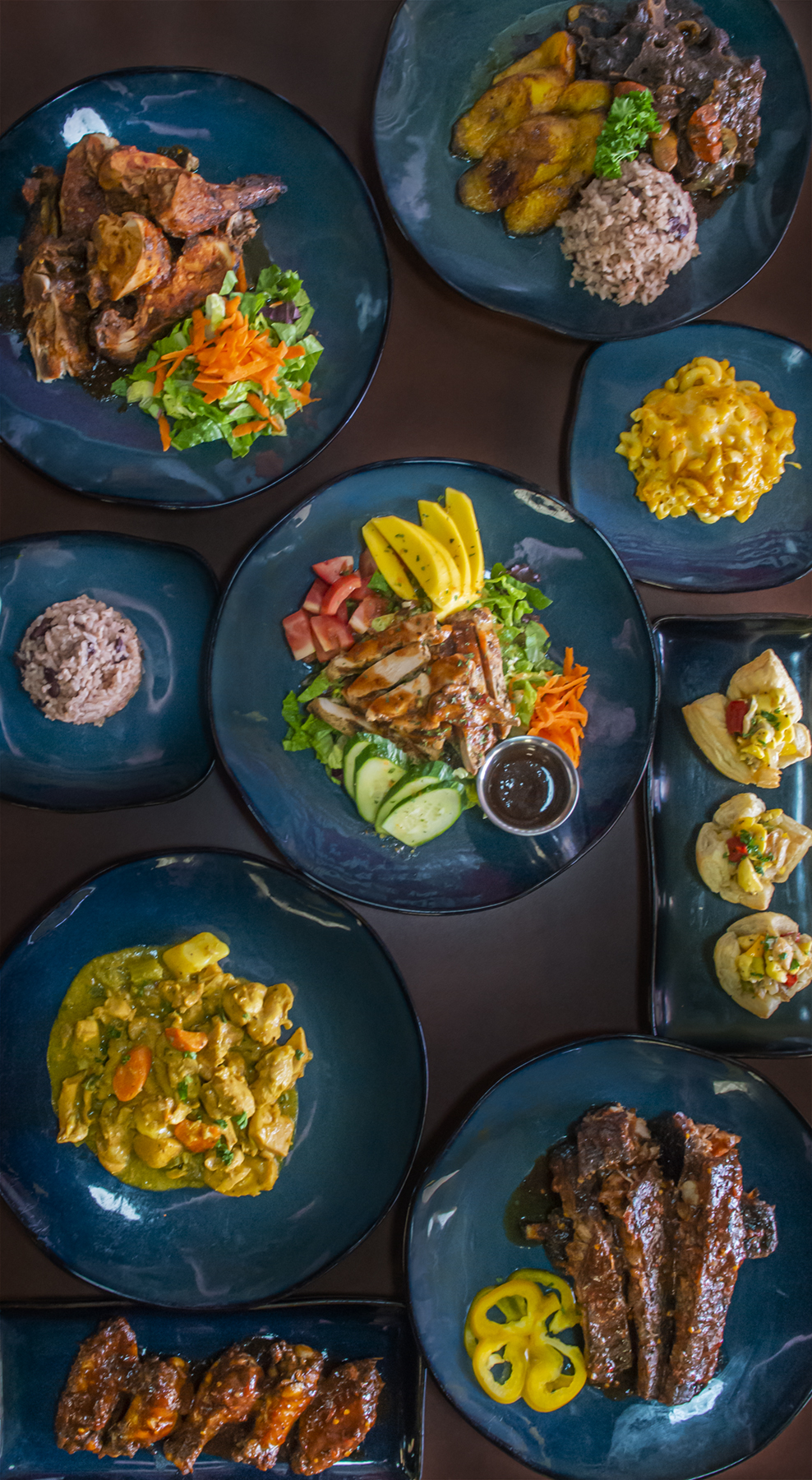
Denver is not the first city most people associate with Jamaican cooking. That usually changes after one good plate of jerk chicken, eaten hot off the grill with rice and peas, cabbage on the side, and a little extra sauce soaking into everything on the tray. The city’s Caribbean food scene is still smaller than what you will find in places like New York, South Florida, or Toronto, but it has matured enough that you can now find serious jerk in and around town if you know what separates the real thing from a passable imitation.
That distinction matters. Jerk is one of those dishes that gets flattened by trend menus. Too often it is reduced to a vague label for anything spicy and grilled. Proper jerk has structure. It should hit you with pimento, thyme, scallion, chile heat, allspice, garlic, ginger, and that unmistakable savory depth that comes from marinade working its way into the meat. The best versions also carry smoke, char, and a little sweetness. When it is done well, it tastes layered rather than loud.
If you are searching for jamaican food denver locals actually return to, jerk is still the clearest benchmark. It tells you whether a kitchen understands balance, whether the cook has restraint with sweetness, and whether the grill is there for more than decoration. Some places nail the smoke but underseason the interior. Some marinate deeply but never develop a crust. The memorable spots do both.
What great jerk should taste like in Denver
Before getting into where to order, it helps to know what you are looking for. A lot of diners expect jerk to blow the roof off their mouths, but heat is only part of the story. Scotch bonnet, or a similar pepper when supply gets tricky, should bring fire and fruit. Allspice should be obvious without turning the dish into dessert. Thyme should come through. Smoke should feel integrated, not like something applied after the fact.
Chicken is the usual measuring stick because it is common and affordable, but pork and fish can be even more revealing. Jerk pork needs enough fat to stay juicy and enough time to render. Jerk salmon can be excellent, though it often skews toward the preferences of a broader dining crowd rather than a traditional profile. Jerk wings are popular for good reason, but they are also forgiving. It is harder to hide flaws in a quarter chicken or a bone-in pork plate.
Denver adds its own challenge. Dry air and higher elevation can punish grilled meats fast. Chicken breast dries out quickly. Marinades can caramelize before the interior is fully cooked. That is why the best jerk dishes in town usually come from cooks who either lean on dark meat, understand their grill intimately, or are patient enough to build flavor in stages rather than simply blasting everything over high heat.
The spots that tend to stand out
Denver’s Jamaican and Caribbean food scene is spread out, and some of the strongest plates https://telegra.ph/Best-Jamaican-Food-in-Denver-for-a-Taste-of-the-Islands-09-24 are found a little beyond the urban core. That should not discourage anyone. In this category, a strip-mall kitchen with a smoking grill out back can easily outperform a polished dining room.
One of the names that comes up often in local conversation is Reggae Pot Jamaican Grill. It has built a reputation on the kind of plate that rewards appetite: generous portions, assertive seasoning, and a menu that stays focused on staples people actually want to eat more than once. When the jerk chicken is on form, it brings the right mix of charred edges and juicy interior, with seasoning that reaches beyond the surface. That sounds basic, but it is surprisingly rare. Rice and peas matter here too. A good jerk plate can be undermined by dry, bland sides, and this is one of the places where the supporting cast usually holds up.
Another useful category in Denver is the broader Caribbean restaurant that includes Jamaican standards without limiting itself strictly to one island’s cuisine. These kitchens can be hit or miss with jerk, but when they have someone on the line who understands marinade and fire, the results can be excellent. The trade-off is consistency. A dedicated Jamaican kitchen tends to keep jerk central to its identity. A wider Caribbean menu may produce a brilliant plate one night and a softer version the next, especially if the grill is balancing fish, chicken, and larger-format items all at once.
Food trucks and pop-ups also deserve attention. In a city like Denver, some of the most exciting island cooking happens outside permanent storefronts. The challenge is that schedules change, names shift, and social media often becomes the only reliable way to track them. Still, jerk from a truck can be a sweet spot. Volume is lower, the menu is tighter, and the person marinating the meat is often the same person tending the grill. That usually helps. If you come across a pop-up specializing in jerk chicken quarters or jerk pork with a simple side setup, it is often worth trying before defaulting to a more familiar sit-down option.
What I would not do is assume every place serving “Caribbean bowls” or “jerk tacos” belongs in the same conversation. Those dishes can be tasty, but they are often built around convenience and broad appeal rather than technique. If your goal is the best jerk in town, stick with restaurants that let the meat be the point.
The jerk chicken benchmark
Jerk chicken remains the dish most people start with, and it should. It tells you almost everything you need to know in one plate.
The best versions in Denver have three clear strengths. First, the marinade is not timid. You should taste thyme, allspice, scallion, and chile in the meat itself, not just in a glaze brushed on at the end. Second, the skin or exterior should carry real color, ideally a little blistered and dark in places. Third, the inside should stay juicy. This sounds obvious, but at elevation it takes discipline.
A very good jerk chicken plate often looks slightly rougher than diners expect. The sauce may not be glossy. The edges may verge on black. That is not a flaw. Jerk benefits from controlled aggression. The goal is not neatness. It is flavor.
Where Denver kitchens sometimes stumble is sweetness. There is a temptation to soften the spice profile for a broad audience by leaning on brown sugar or fruit-heavy sauce. That can work in tiny doses, especially on wings, but it easily turns the dish into barbecue with island branding. If the first thing you register is sweetness, the balance is probably off.
If you are ordering jerk chicken for the first time at a new place, dark meat is the smart move. Leg quarters carry smoke better, tolerate grill time, and give the marinade more room to work. Boneless jerk chicken can still be delicious, but it tends to be tailored to speed and convenience rather than tradition.
When jerk pork is the better order
People who always default to chicken miss one of the richest expressions of Jamaican cooking. Jerk pork, when done right, is deeply satisfying. The seasoning clings to the fat, the char adds bitterness in a useful way, and the meat develops a complexity that chicken rarely matches.
Denver does not offer jerk pork everywhere, and that scarcity is part of the appeal. When a restaurant serves it confidently, it usually means they care enough to dedicate grill space and prep time to a dish that takes more effort and has a narrower audience. That is often a good sign for the whole menu.
The key here is texture. Good jerk pork should not be greasy, but it should feel lush. You want some crisp ends, some smoky chew, and enough fat left to carry the spices. Overtrimmed pork can end up tasting harsh because there is nothing to round out the allspice and heat. Undercooked fat is just as problematic. The sweet spot is a plate where the spice rub, smoke, and rendered fat have had time to settle into each other.
If a restaurant offers jerk pork by the pound, family style, or as a special, that is often where the kitchen’s confidence shows. Specials can be a clue in Denver. In smaller markets for Jamaican food, the most traditional dishes sometimes appear only when the kitchen knows demand will be there.
The side dishes tell the truth
A kitchen can fake one strong protein plate. It is much harder to fake the sides that belong next to it.
Rice and peas should be fragrant and separate, not mushy and not dry. The peas, whether red beans or kidney beans depending on the house style, should feel integrated rather than scattered in as an afterthought. Cabbage should retain a little life. If it is cooked into submission, it loses the clean contrast that makes it useful next to heavily seasoned meat. Fried plantains should be sweet and soft with caramelized edges, not brittle chips unless the menu specifically describes them that way.
The reason sides matter so much with jerk is that they create relief and rhythm. A plate with great chicken but flat rice leaves you doing all the work with hot sauce or extra gravy. A complete plate lets you alternate bites and keep discovering new balances.
Here is a short way to read a jerk plate before you even dig in:
- Look for char on the meat, not just color from sauce.
- Smell thyme, allspice, and smoke before sweetness.
- Check whether the rice looks moist and distinct.
- See if the cabbage or slaw adds freshness.
- Notice portion balance, because too many sides can bury the star.
That quick assessment will tell you more than any menu description.
Heat levels and how to order smart
One thing Denver diners sometimes get wrong with Jamaican food is equating authenticity with maximal heat. A well-made jerk dish should have warmth, but it should not erase all the spice aromatics under pure capsaicin. If you enjoy heat, ask whether the kitchen has extra pepper sauce on the side rather than demanding the dish come out “as spicy as possible.” That small decision protects the integrity of the marinade.
There is also a practical point here. Some Denver restaurants serve a mixed audience that ranges from homesick regulars to first-timers who think jerk means sweet barbecue with a kick. Kitchens often adjust by making the base dish moderately hot and leaving room for condiments. That is not always a compromise. In many cases it is the only way to serve a consistent product across lunch and dinner without turning half the dining room away.
If you are feeding a group, order with variety in mind. A platter with jerk chicken, perhaps a curry dish, and a side spread of rice and peas, cabbage, and plantains often gives the best sense of a restaurant’s range. Jerk alone can dominate the palate, especially if everyone is eating the same thing.
What makes Denver’s Jamaican food scene distinctive
Because the local scene is not huge, each restaurant carries more responsibility than it would in a larger market. There is less room for specialization. In New York or Miami, one shop might focus almost entirely on jerk, while another becomes known for patties, breakfast, or steamed fish. In Denver, many restaurants have to be more flexible. They need broad menus, reliable lunch options, and pricing that works for both neighborhoods and commuters.
That reality shapes the food. Some menus bend toward bowls, wraps, or boneless proteins because they travel better. Some kitchens tone down funkier or more intensely seasoned dishes for a wider audience. Yet that same pressure can produce real strengths. Operators here often become very good at balancing authenticity with practicality. When they succeed, you get food that still respects the original style while fitting how Denver actually eats, often on the go, often between errands, often with takeout as the default.
The city’s growth has helped too. A larger, more curious dining public means more demand for regional specificity, not just vague “island flavor.” Ten years ago, many customers would have been satisfied by spice and sweet sauce. Now more diners ask sharper questions. Was this grilled or smoked? Is that pimento coming through? Is the chicken marinated overnight? Those questions raise standards.
The best jerk dishes are not always the flashiest
Plenty of restaurants in Denver can build an attractive plate. Fewer can make you slow down after the first bite because the seasoning has real depth. That is the difference between good marketing and good cooking.
If you are chasing the best jerk in town, the dishes worth remembering usually share a few traits:
- They arrive hot from the grill, not reheated into dullness.
- The marinade tastes savory first, spicy second, sweet third.
- The sides support the meat instead of filling empty space.
- The smoke feels natural, not bottled or perfumed.
- You want another bite before you reach for a drink.
That last point is more useful than it sounds. Overly salty jerk, sugary jerk, or one-note spicy jerk creates fatigue almost immediately. Balanced jerk keeps pulling you back.
Where takeout helps, and where it hurts
Jamaican food travels better than many people think, but jerk is still at its best as close to the grill as possible. Steam trapped in a takeout box softens the crust and mutes some of the smoke. That is not a deal-breaker, especially in a city where takeout is central to how many people eat. It just means you should order strategically.
Bone-in chicken usually survives the trip better than boneless pieces. Jerk wings can hold up well if they are not drowned in sauce. Plantains tend to soften in transit, which some people like and others do not. Cabbage often benefits from sitting a few minutes, especially if it has picked up some of the meat juices.
For first visits, dine in if you can. Listen for the grill. Smell the room. Watch what regulars order. Small clues matter. If most tables are getting quarter chicken plates and extra pepper sauce, that tells you something. If the room is full of cocktails and composed small plates with one token jerk option, that tells you something too.
A few smart ordering strategies
When you are trying a new Jamaican restaurant in Denver, a little judgment goes a long way. Order the item the kitchen is likely to move in volume. Ask for dark meat if given the choice. Keep extra sauce on the side the first time so you can understand the base seasoning. If patties are available, use them as a secondary test. A kitchen that takes even its quick snacks seriously often takes the mains seriously too.
It is also worth paying attention to time of day. Jerk can be best during busy lunch or early dinner hours, when turnover is high and proteins are freshest off the grill. Late-night service sometimes means the kitchen is working through the tail end of a batch. That is true in every city, but it is especially noticeable with grilled meats in Denver’s dry climate.
The search is part of the pleasure
One of the nice things about hunting for great jamaican food denver offers is that the scene still feels personal. You are not working through a polished chain ecosystem. You are finding places built on family recipes, long marination, and cooks who know exactly what their food should taste like. Some of the strongest meals come from restaurants that put very little energy into spectacle. They rely on aroma, portion generosity, and repeat business.
The best jerk dishes in town are the ones that keep their identity intact. They do not sand off every edge to please everyone. They deliver smoke, spice, and herbal depth with enough confidence to let the plate speak for itself. When you find that combination in Denver, whether in a dining room, a food truck line, or a humble storefront outside the city center, it feels earned.
That is why jerk remains the most useful way into the local Jamaican scene. It reveals technique, restraint, and intent all at once. And when a Denver kitchen gets it right, the result is not just a good version for Colorado. It is a legitimately satisfying plate by any standard.
Reggae Pot Jamaican Grill
Address: 2243 S Monaco St Pkwy #104, Denver, CO 80222
Phone number: +17204102956
FAQ About Jamaican Food Denver
What is typical Jamaican food?
Typical Jamaican food features bold, vibrant flavors created by blending African, Taino, European, and Asian influences.
What is a famous Jamaican dish?
Ackee and saltfish is Jamaica's national dish, made by sautéing the soft local ackee fruit with salted cod, onions, tomatoes, and spicy Scotch bonnet peppers.
What food is most popular in Jamaica?
The most popular and famous food in Jamaica is Jerk Chicken, celebrated worldwide for its smoky, spicy flavor.